
The Underrated Offroader.
In the 1990s, BMW was a byword for prestige, performance and Pearce Brosnan. The line up was arguably the most famous in its history, from the potent BMW E36 M3 right to the outrageous 5L V12 found in the 7 Series. The last time the Germans did that, it was in the front of a Messerschmitt. While BMW possessed a fleet that would be the envy of auto manufacturers, there was just a tiny problem. The station wagons of the 70s and 80s were giving way to a new generation of driver, one who wanted the rugged capability (or looks) of a tough 4WD, but without the discomfort and harsh ride of body on frame design. These vehicles, later known as ‘softroaders’, were gaining momentum in the 1990s. The American made Ford Explorer, coming out in 1991 was the start of this ‘family friendly’ offroad pitch to the market. From there, your options grew to include the Jeep Cherokee and the even the first generation Range Rover Discovery. Toyota threw its hat into the game to, with the first generation Rav4 coming out in 1998 – a little car I’ve become very fond of actually.
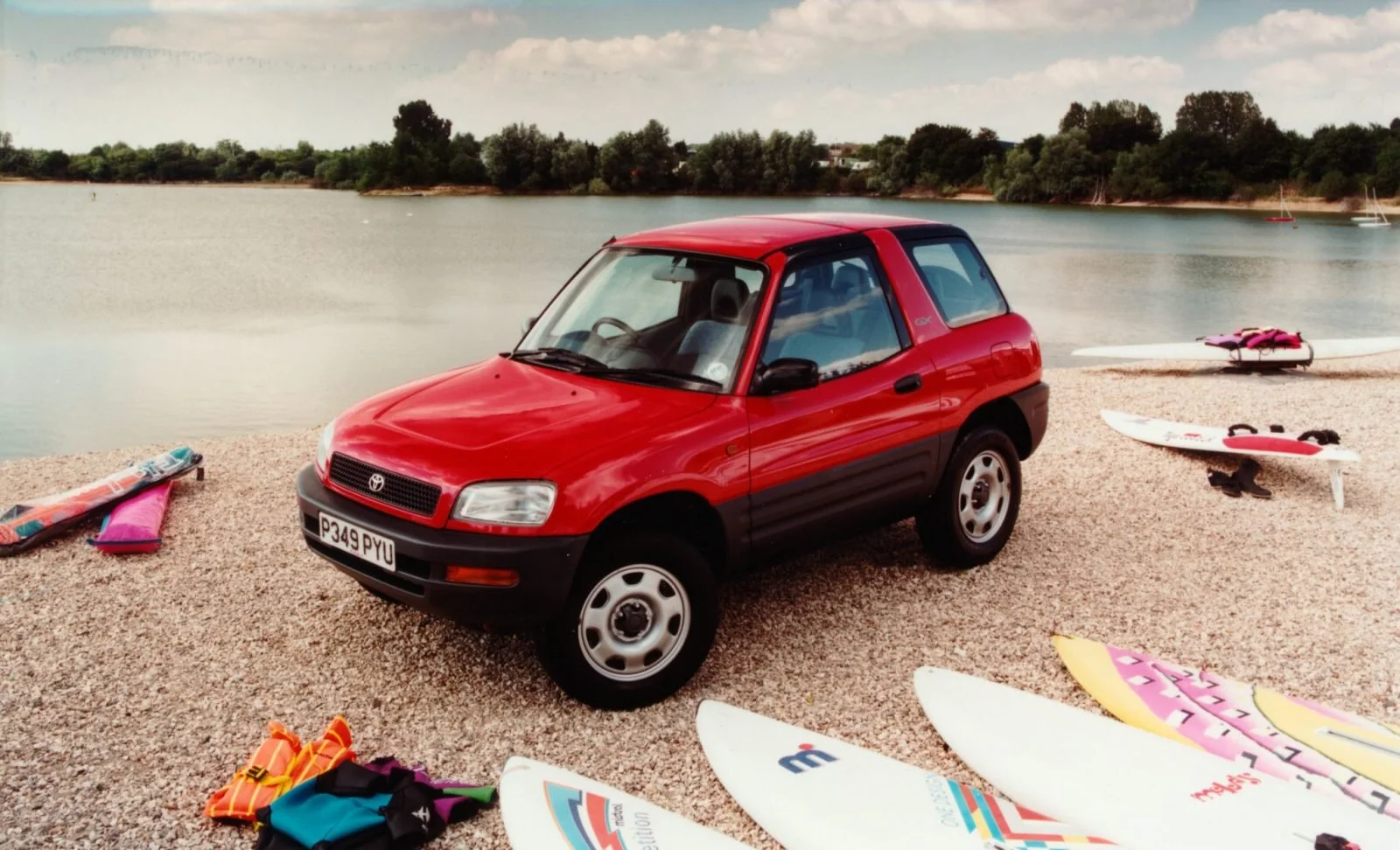
The first generation Rav4 - one of the iconic ‘soft roader’s to have come out in the 1990’s.
Courtesy of Toyota UK
Now, as you can probably notice, there is a noticeable absence from the German marques. Neither Audi, BMW or Mercedes had a consumer focused ‘softroader’ to compete against the Japanese and Americans. The Mercedes G Wagon was still a tin shed on wheels, and Audi was too busy seeing whether they can cram eight cylinders into a VW Passat. How could a brand that espoused being ‘Ultimate Driving Machine’ - even consider a glorified box on wheels? Enter Rover – once known for its rugged reliability and capability, was by the 1980s a shadow of its former self. Decades of mismanagement and malaise had cratered its profitability, and by the 1990s it was threatened by bankruptcy. BMW’s management team however, saw this as a masterstroke opportunity. The plan was to buy out Rover, and initially sell the Range Rover in the same dealership as the home grown BMW. This meant, to them anyway that the brand remained ‘pure’, while tapping into the growing offroad market. All hunky dory right? BMW keeps the sleek performance fleet, while they make squillions on an already established offroad platform.
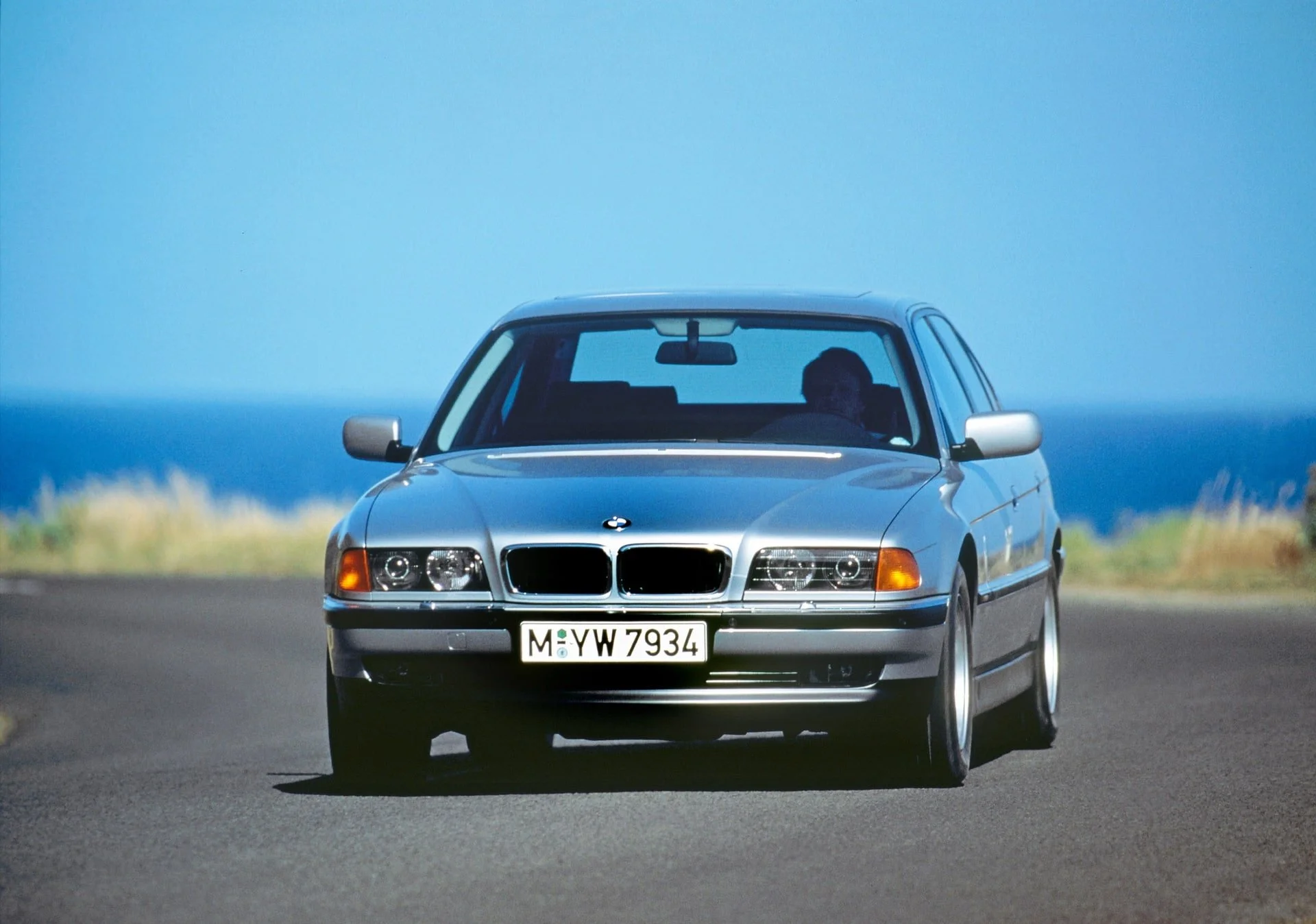
BMW’s finest during the 1990’s, the famous E38 7 Series.
Courtesy of BMW Group Classic
The problem, was that Rover was just making rubbish. The then current Range Rover, the P38A, looked like aged cheese by the time it was released in 1994. It had been 24 years since the previous Ranger Rover came out, and to be frank after all that time it was a bit underwhelming. BMW thought that too. While they had a much greater input in the next Range Rover, the L322 – it was actually BMW of North America that pushed the idea of a ‘German Range Rover’ – the X5.
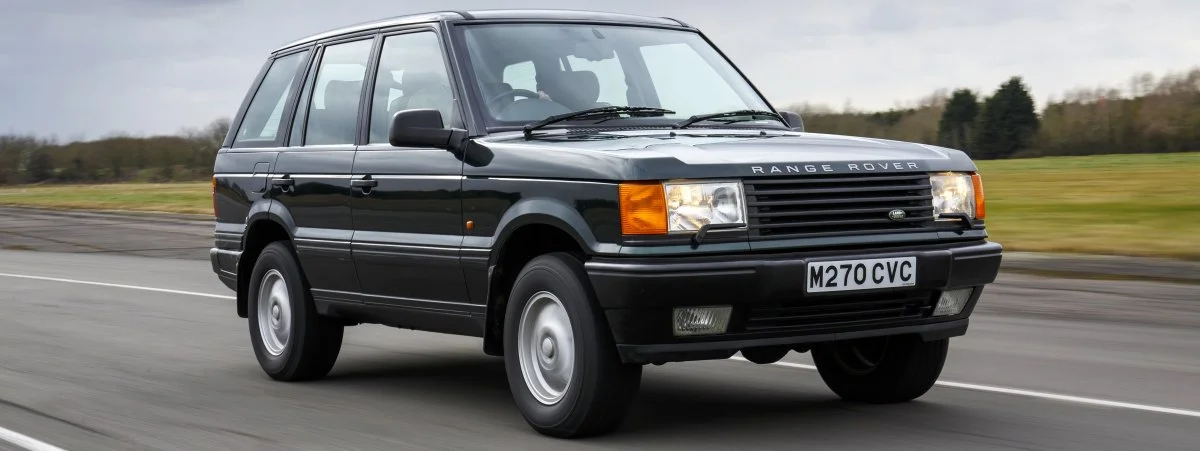
Range Rover by the 1990’s was a shadow of it’s former self.
Courtesy of JLR Group
Now, BMW America came up with a term – ‘own the garage’. By going around the neighbourhood, management noticed that for every BMW sedan, there was a Ford Explorer parked next to it. This posed a genuine threat – BMW potentially stood to lose to Lexus or the incoming Mercedes ML in the ‘garage wars’. From here on out, the idea of a BMW SUV gained traction both in Germany and the United States. The core requirement was to have the form factor of an SUV, but to handle like an everyday car. No low range, no rock crawling, no ladder frame – All Car. The first sketches came out from the BMW’s California studio, known as DesignWorks in 1995, with hardware testing starting on a lifted BMW 5 Series. To work around the lack of locking differentials, BMW instead focused their energies on electronic aids and traction control. BMW also borrowed from the Land Rover parts box, taking Hill Decent and the split tailgate too. What came out in 1999 was nothing short of revolutionary. Here was a 2 tonne vehicle, dubbed an ‘SAV’ or Sports Activity Vehicle with the on-road handling of a BMW 5 series, one of the best sedans ever made. Sales went through the roof, and paved the way for ongoing development of future models such as the E70, F15 and G05 chasis models.
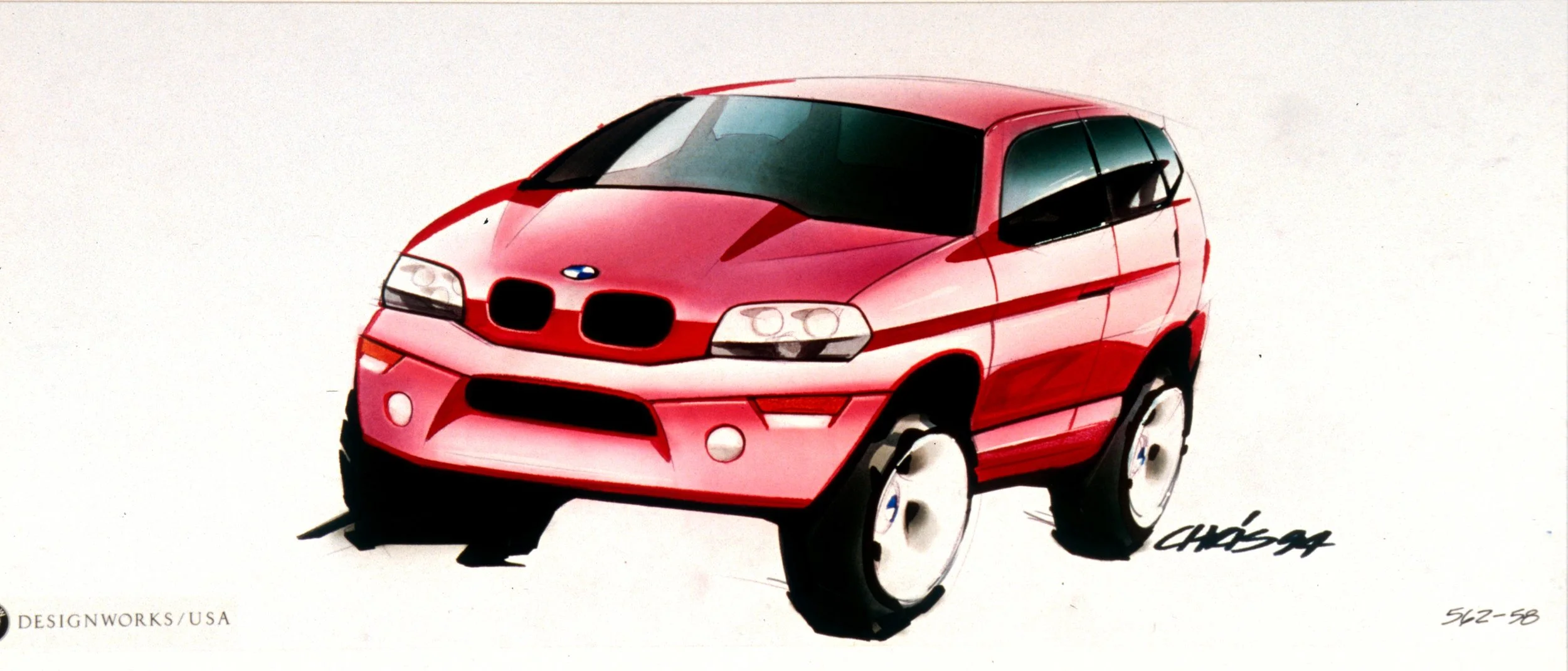
The first known sketch of what would become the BMW X5 E53
Courtesy of BMW Group
Contrary to the design brief of being a ‘softroader’, BMW took something else from their Rover acquisition – a system known as xDrive. Now BMW was no stranger to AWD vehicles – in fact, it premiered in the E30 3 Series known as the ‘Allrad’. However, this was primarily designed for on-road performance and used a hydraulic setup with viscous couplings.
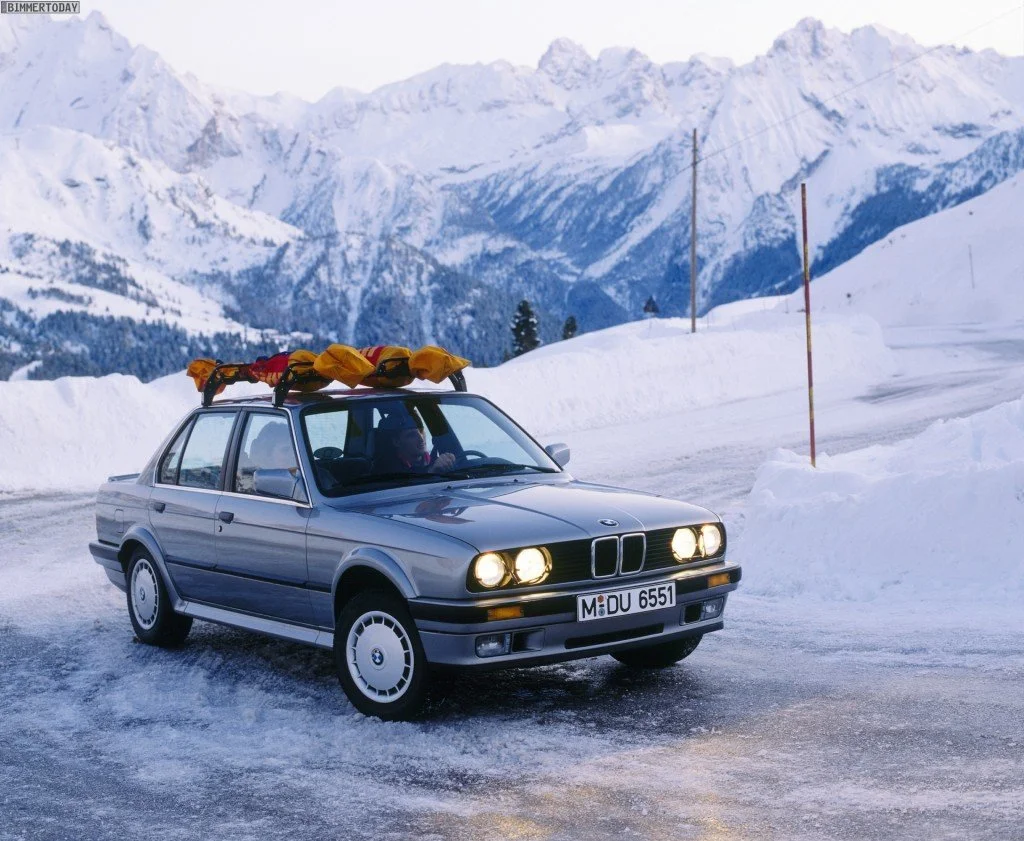
AWD before it was popular. The BMW E30 ‘Allrad’ was the Bavarian marques first foray into the offroad scnene.
Courtesy of Bimmertoday.de
Now, the earliest X5 used a pretty rudimentary ‘offroad’ system. It used ABS brakes to effectively act as a ‘lock’ – one wheel spins, brake applies individual pressure, and then it re-distributes power to the rest of the wheels. The Australian made Ford Territory uses the exact same NV125 transfer and similar traction setup too. The main problem here, is that it relies exclusively on the wheels breaking traction to engage. When you’re consistently offroading, breaking traction, to get traction is a bit counter intuitive. It makes it tricky to understand when and how much pressure the ABS system will apply, and takes a lot of time and experience to really get the most out of it.
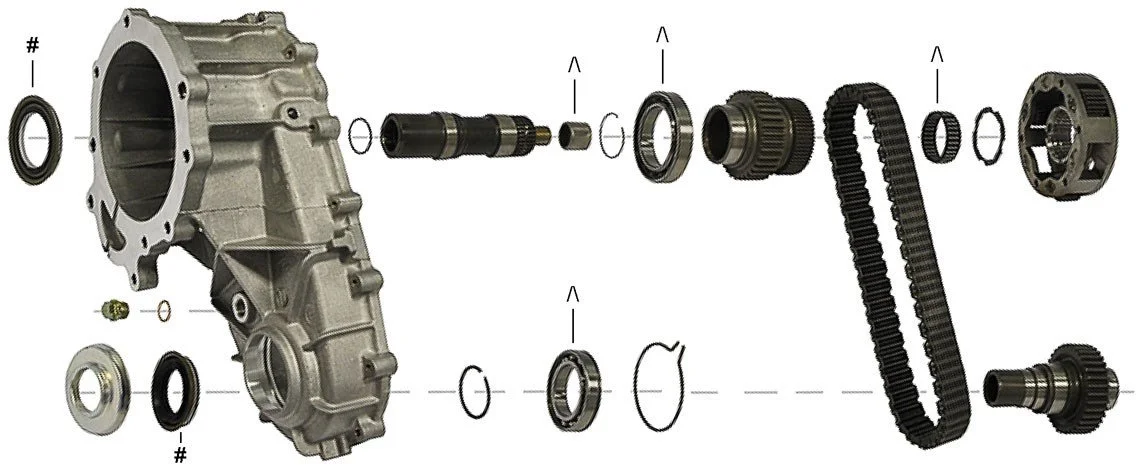
Courtesy of Alltranz.co.nz
xDrive however, is a different beast entirely. It actually has a locking transfer case, and I genuinely mean that. xDrive uses a combination of the existing ABS locking system, and an electrically actuated clutch in the transfer case to ‘lock’ both your front and rear drive shafts. It’s basically a BMW center locking differential, but with computer smarts do the locking for you. xDrive is an input based system, and uses a dizzying array of data points to do the offroading for you.
Wheel speed sensors
Steering Angle Sensor
Yaw and accelerometer sensor
Throttle sensor
Transfer case actuator sensor
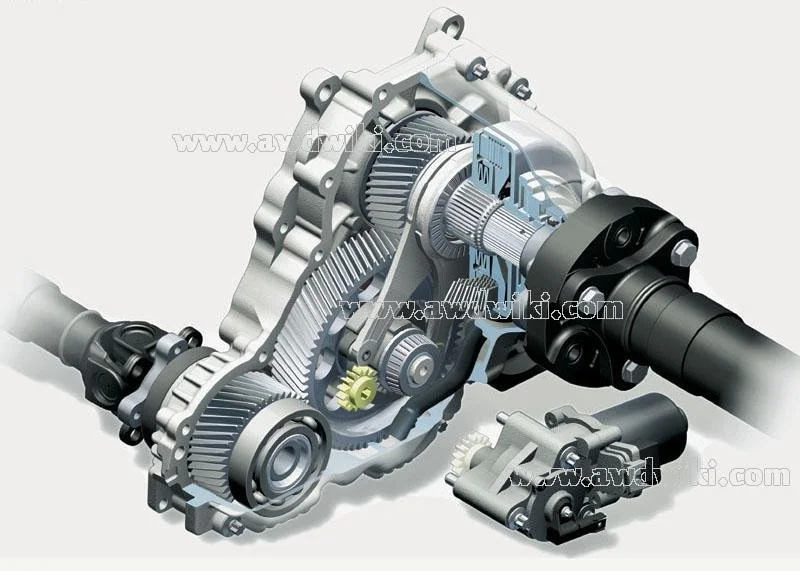
Courtesy of AWDWIKI.com
Having all these sensors generally makes up for the lack of a front and rear locker. While many might lampoon the lack of ‘real’ 4WD parts such as low range and locking differentials, as long as your data inputs are on, then the car will offroad incredibly well. Before anyone furiously comments about German unreliability or constantly breaking down, we know that modern 4WDs aren’t immune to electrical issues (looking at you Ford Ranger). BMW themselves put these offroad claims to the test, demonstrated with the amount of ‘offroad’ courses and promotional days they hold around the world. Even now, there are dedicated offroad groups to the BMW X5 and all around the world, people build them up into incredible looking and capable machines. It’s obvious, that while they’re not going to do Jeep style rock crawling, they absolutely can hold their own out in the dirt.
If you want to see how the big beast went, hop on over to the Youtube Channel to see whether any of that Rover blood still runs through these German veins.
